After weeks of relentless rain and powerful winds, California homeowners are once again dealing with widespread storm damage. From flooded basements and downed trees to mudslides and roof leaks, many residents are left wondering: “Will my insurance cover this?”
In a February 2024 FOX KTVU interview, insurance expert Karl Susman provided clear, practical guidance on what homeowners should do after a major storm and how to navigate the complexities of insurance claims.
When the Storm Hits: "Shock and Awe"
Even though weather forecasts predicted the coming storms, Susman noted that the reality still catches homeowners off guard. “We knew this was coming, but when it’s here, it’s still shock and awe,” he said. The combination of rain, flooding, and structural damage presents various challenges that fall under different types of insurance coverage.
As Susman explained, homeowners face everything from water and flood damage to mudslides and fallen trees. Understanding what’s covered—and what isn’t—can be difficult.
Understanding Coverage: Water Damage vs. Flood vs. Mudslides
One of the key sources of confusion for homeowners is the difference between water damage, flood damage, and mudslides, as these are treated differently by insurance companies.
✅
Water Damage (Covered)
Water entering from above, such as rain coming through a roof leak or wind-driven rain through windows, is typically covered by standard homeowners insurance.
❌
Flood Damage (Not Covered Without Flood Insurance)
If water rises from the ground up, it’s considered flood damage and is excluded from standard homeowners policies. Flood coverage must be purchased separately, typically through the National Flood Insurance Program (NFIP) or private carriers, and must be bought before a flood event occurs.
⚠️
Mudslide and Earth Movement (Rarely Covered)
Mudslides and similar earth movement events are rarely covered by homeowners or flood insurance policies. For homeowners in high-risk areas like hillsides or burn-scarred zones, specialized “difference in conditions” (DIC) or landslide-specific policies may be necessary.
Filing a Claim: Act Quickly and Document Everything
When storm damage occurs, insurance companies are inundated with claims. Susman emphasizes the importance of acting immediately to secure your place in line.
“The best thing to do is be careful,” he said. “Don’t try to fix things yourself. Do whatever you can to prevent further damage, document everything with photos and videos, and file your claim with your insurance carrier right away.”
Even if you're unsure about coverage, Susman recommends filing the claim promptly, as missing the reporting window could harm your claim.
The "Cat Event" Exception: Claims Aren’t Always Penalized
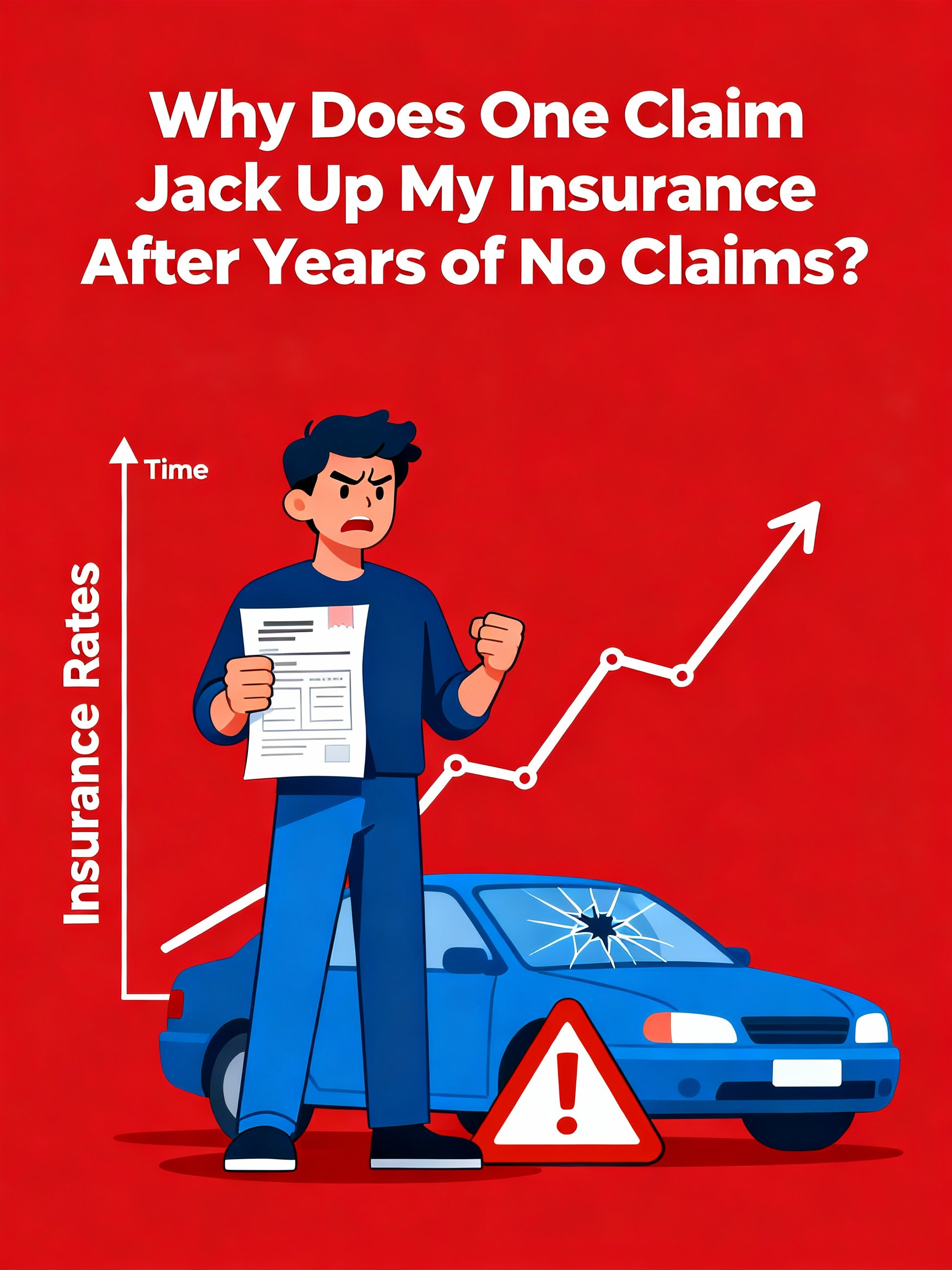
Homeowners often hesitate to file claims, fearing that it will lead to higher premiums or nonrenewal. However, Susman clarified that major storm events are treated differently by insurers.
“For something like this—a catastrophe event, or ‘cat event’—those claims typically aren’t held against the policyholder,” Susman explained. When widespread disasters occur, insurance companies generally don’t penalize policyholders, as these losses are considered natural catastrophes, not avoidable incidents.
Preventive Steps During and After the Storm
Susman also offered several practical tips for homeowners to help protect their property before, during, and after severe weather:
- Turn Off Your Sprinklers
“People forget their sprinklers are on timers,” Susman warned. Running sprinklers during prolonged rain can worsen flooding and foundation damage, especially near basements or crawlspaces. - Park Smart to Prevent Vehicle Damage
In flood-prone areas, Susman recommends parking your car with the wheels turned toward the curb to prevent hydroplaning or floating away in rising waters. - Stay Home If Possible
“If you can work from home, do it,” Susman said. Staying indoors keeps you safe and reduces strain on emergency services during severe weather. - Keep Your Cell Phone Charged and Nearby
Power and internet outages are common during storms, but cell networks often remain operational. Keep your phone charged as it will be your lifeline for emergency communication. - Clear Your Gutters (If It’s Safe to Do So)
Clogged gutters are a major cause of interior water damage during heavy rain. If possible, clear out your gutters to prevent overflow.
The Bigger Picture: A Changing Climate and an Overstressed Market
California’s storms are no longer rare events—they are becoming part of a new climate norm. As weather events like storms, floods, and wildfires increase, both insurers and homeowners need to adjust their expectations and preparedness strategies.
Susman pointed out that while insurers are retreating from wildfire-prone areas, flooding and storm-related losses may lead to similar pullbacks in coastal and low-lying regions. Understanding insurance coverage and preparing before disaster strikes is more important than ever.
“We’re in the middle of it,” Susman said. “We just need to be careful, take the right steps, and let insurance do what it’s designed to do.”
What Homeowners Should Do Now
If your property suffered damage from recent storms, follow these steps based on Susman’s advice:
- Ensure Safety First
Don’t enter flooded or structurally unstable areas. - Prevent Further Damage
Shut off water if necessary, cover broken windows, and avoid electrical hazards. - Document Everything
Take photos and videos from multiple angles to fully document the damage. - File Your Claim Immediately
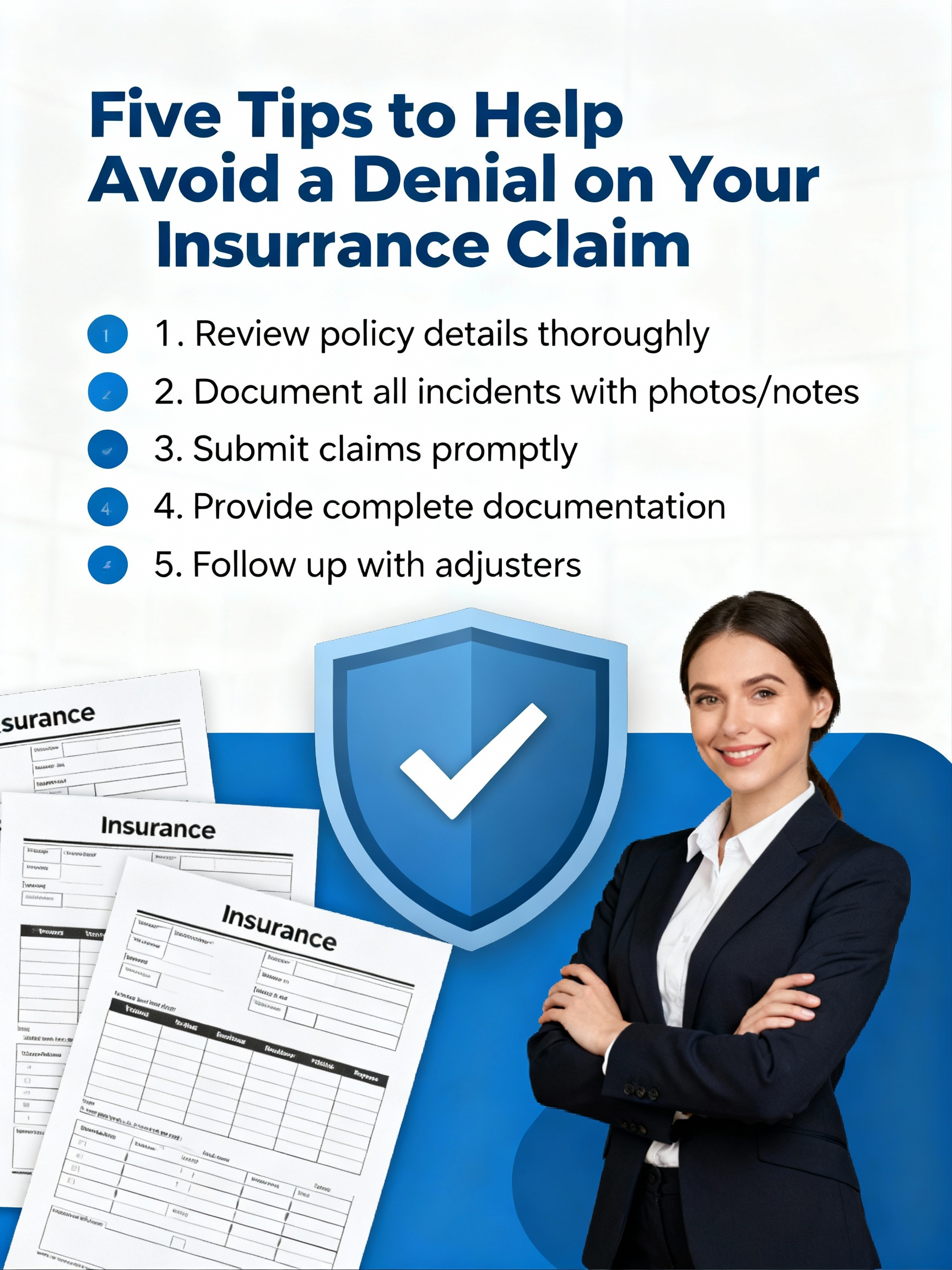
Even if you’re unsure whether the damage is covered, filing your claim promptly ensures faster processing. - Keep Receipts
Save records for temporary repairs, hotel stays, or emergency expenses—these may be reimbursable. - Follow Up Regularly
Stay in touch with your insurance adjuster for updates and confirm details in writing. - Don’t Panic About Small Claims
Catastrophe-related claims generally won’t count against your record.
Conclusion: Preparation Is the Best Protection
California’s weather patterns are shifting, and homeowners must adjust to this new climate of frequent and intense storms. While insurance companies and regulators debate long-term solutions, homeowners must focus on preparedness, documentation, and timely action.
As Karl Susman reminded viewers, even in the chaos of a storm, small steps can make a significant difference—from turning off sprinklers to filing claims promptly. Disasters may be unpredictable, but your response doesn’t have to be. Understanding your coverage and acting decisively can help turn a storm from a catastrophe into a recoverable event.